



Most people think they have a sleep problem.
But in reality, many have a lifestyle problem that eventually turns into a sleep problem.
You stay on your phone a little longer at night. Your mind keeps running even after your body feels tired.
You wake up exhausted despite getting “enough” hours of sleep.
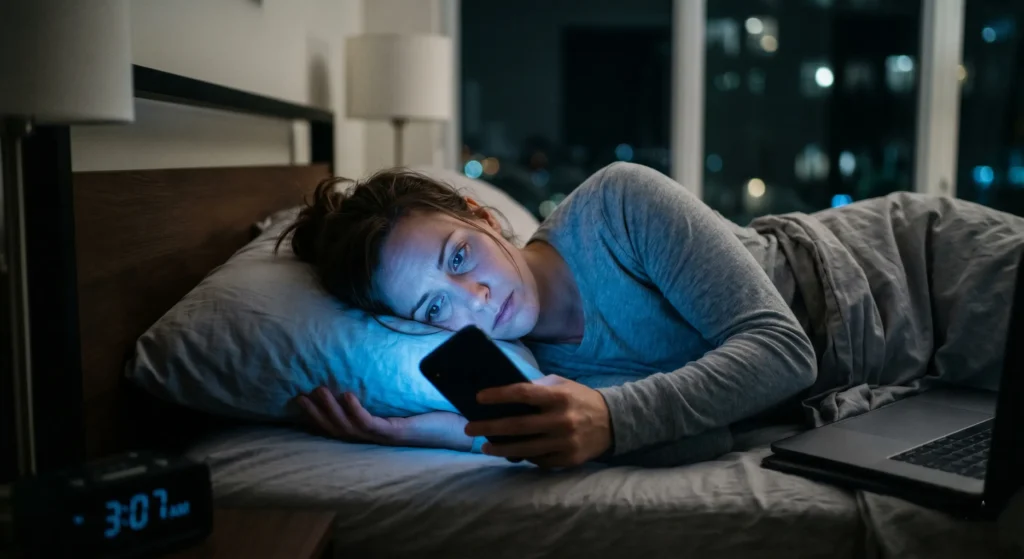
And slowly, poor sleep becomes normal.
That’s the part people don’t notice at first.
Being Tired Has Become Part of Everyday Life
For a lot of people, waking up tired feels routine now.
You push through the day with caffeine.
Your brain feels foggy by the afternoon.
At night, you finally lie down — but your mind refuses to slow down.
This cycle repeats daily.
Modern lifestyle has quietly changed the way people rest:
- More screen exposure
- Constant mental stimulation
- Irregular sleep schedules
- High stress levels
- Less physical recovery time
The body may feel exhausted, but the nervous system often stays overstimulated.
And that directly affects sleep quality.
The Real Issue Isn’t Just “Lack of Sleep”
A lot of people are technically sleeping.
But they’re not recovering. There’s a difference.
Good sleep is when the body and brain actually relax enough to recover properly. Poor-quality sleep, even for 7–8 hours, can still leave you feeling mentally drained and physically tired.
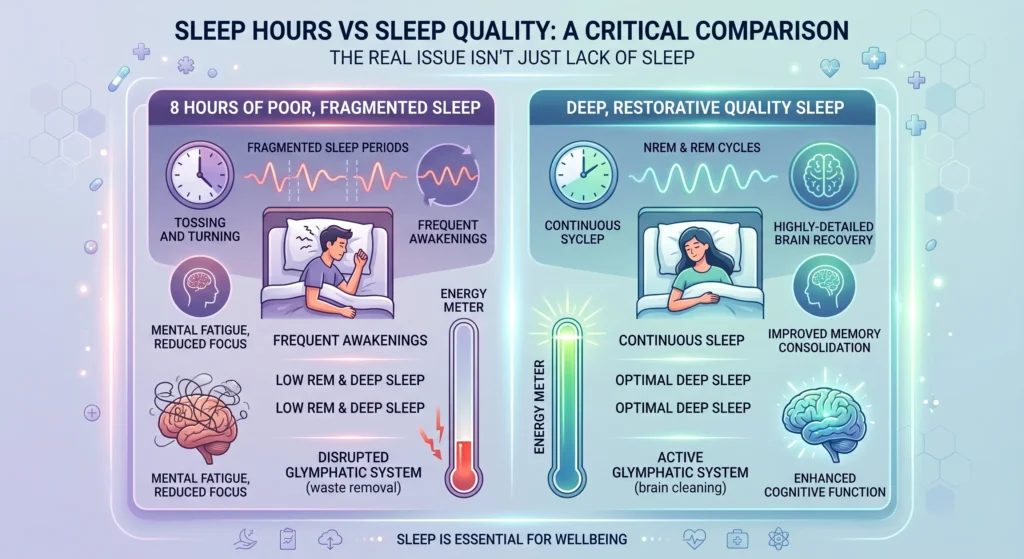
This is why people often experience:
- Difficulty falling asleep
- Light or interrupted sleep
- Morning fatigue
- Stress-related restlessness
- Poor focus during the day
The issue is usually deeper than simply “not sleeping enough.”
Why the Brain Struggles to Slow Down
The human brain wasn’t designed for constant stimulation.
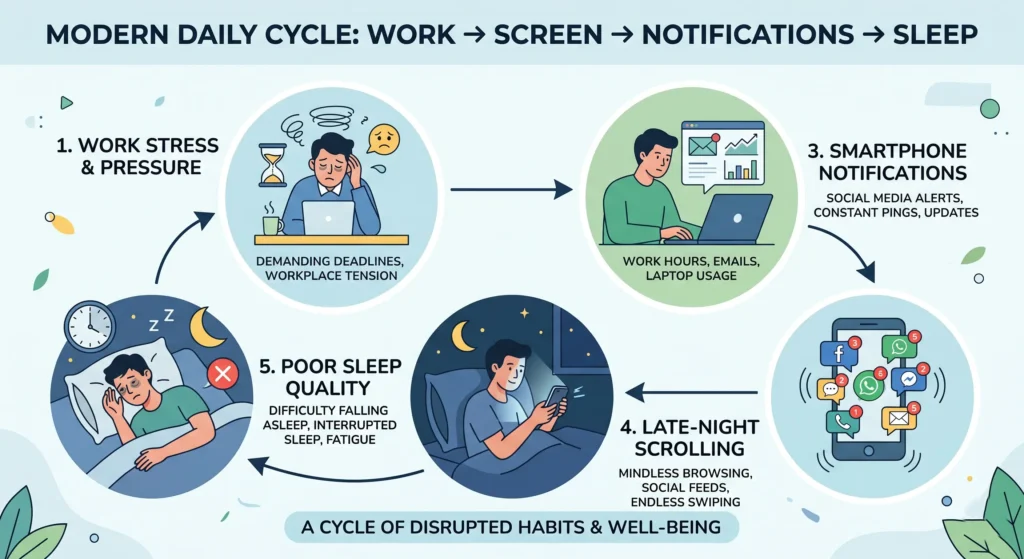
But today, most people go from:
Work stress → screen time → notifications → late-night scrolling → sleep.
There’s no real transition into rest anymore.
When the nervous system stays active for too long, the brain struggles to switch into a calm state. Stress hormones remain elevated, mental activity continues, and proper relaxation becomes difficult.
That’s why many people feel physically tired but mentally awake at night.
Nutrients That Help the Body Relax Naturally
This is where certain nutrients become important — not as sedatives, but as support for the nervous system and sleep cycle.
Magnesium L-Threonate
Magnesium plays a major role in relaxation, stress response, and sleep quality.
But Magnesium L-Threonate is particularly interesting because it’s known for supporting brain function and helping calm neural activity. Low magnesium levels are often linked with poor sleep, muscle tension, and stress-related fatigue.
L-Theanine
L-Theanine is commonly found in green tea and is known for promoting a calm mental state without causing drowsiness.
Instead of “knocking you out,” it helps the mind slow down naturally — which is especially useful for people whose thoughts keep racing at night.
Many people notice:
- Better relaxation
- Reduced mental restlessness
- Easier transition into sleep
Myo-Inositol
Myo-Inositol is often associated with mood balance and nervous system support.
It helps regulate signaling pathways in the brain and may support relaxation and emotional balance, especially during periods of stress or overstimulation.
Why Sleep Support Today Looks Different
People are slowly moving away from the idea of forcing sleep.
The focus now is more on:
- Supporting relaxation
- Calming the nervous system
- Improving sleep quality naturally
- Helping the brain recover properly
Because long-term sleep issues are rarely just about bedtime habits alone. They’re often connected to stress, overstimulation, and poor recovery.
Why Lifestyle Alone Sometimes Isn’t Enough
You can reduce screen time.
You can improve your routine.
You can avoid caffeine late at night.
And all of that helps.
But sometimes, the nervous system still needs support — especially after long periods of stress, poor sleep, or mental exhaustion.
That’s where targeted nutritional support can make a meaningful difference.
Not by forcing sleep, but by helping the body move toward relaxation more naturally.
Signs Your Body May Need Better Recovery Support
You might relate to this if:
- You feel tired even after sleeping
- Your brain feels active at night
- Stress affects your sleep quality
- You wake up mentally exhausted
- You struggle to fully relax
At that point, the issue is often less about “sleeping more” and more about recovering better.
A Better Way to Think About Sleep
Good sleep isn’t just about how long you sleep.
It’s about:
- How deeply you rest
- How calm your nervous system feels
- How well your brain recovers overnight
That’s why supporting relaxation, stress balance, and brain recovery together often works better than focusing on sleep alone.
Closing Thought
Modern lifestyle has made people constantly connected, mentally active, and overstimulated.
The body eventually feels that.
Sometimes the answer isn’t pushing harder through exhaustion — it’s learning how to recover properly again.
Supporting relaxation, stress balance, and quality sleep together can make a bigger difference than most people realize.
FAQs
Q. Why do I still feel tired after sleeping 7–8 hours?
Because sleep duration and sleep quality are different things.
Stress, mental overstimulation, and poor nervous system recovery can prevent deep restorative sleep, even if you technically sleep long enough.
Q. Can stress really affect sleep that much?
Yes. Chronic stress keeps the nervous system active and raises stress hormones, making it harder for the brain to fully relax before sleep.
That’s why many people feel exhausted physically but mentally alert at night.
Q. What does Magnesium L-Threonate do differently?
Unlike regular magnesium forms, Magnesium L-Threonate is known for its ability to support brain function and relaxation more effectively.
It’s commonly used for:
- Stress support
- Cognitive wellness
- Better sleep quality
- Mental relaxation
Q. Will L-Theanine make me feel sleepy during the day?
Usually no.
L-Theanine is known more for promoting calmness than sedation. Most people use it to feel mentally relaxed without feeling heavy or drowsy.
Q. Can poor sleep affect brain function?
Absolutely.
Poor sleep quality can affect:
- Focus
- Mood
- Memory
- Productivity
- Stress handling
This is why proper recovery is important not just for rest, but for overall cognitive wellness too.
Q. How long does it take to notice improvements?
Some people notice better relaxation within a few days. Improvements in sleep quality and recovery usually become more noticeable with consistent use over a few weeks.
Q. Is this only for people with insomnia?
No.
Many people simply struggle with stress-related poor sleep, mental fatigue, or difficulty relaxing. Sleep support is not only for severe sleep disorders.
Q. Do I still need lifestyle changes?
Yes.
Nutritional support works best alongside healthy habits like:
- Consistent sleep timing
- Reduced screen exposure at night
- Stress management
- Better recovery routines