



Most women are taught the same thing growing up
“If there’s discomfort, focus more on hygiene.”
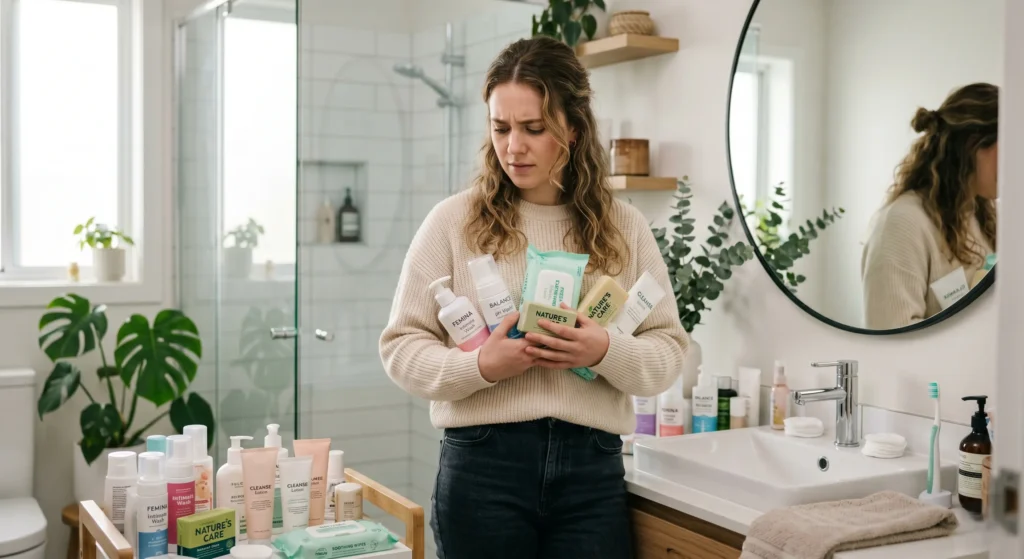
So naturally, when issues like irritation, unusual odor, or recurring infections happen, the first instinct is to change soaps, use washes, clean more often, or try different hygiene products.
Sometimes it helps temporarily.
But for many women, the problem keeps returning.
That’s because vaginal health is not just about external cleanliness. In many cases, the real issue starts internally — with the balance of bacteria inside the body.
The Problem Isn’t Always “Cleanliness”
This is one of the biggest misconceptions around women’s intimate health.
You can maintain good hygiene and still experience:
- Recurring bacterial vaginosis
- Vaginal irritation
- Odor or discharge
- Frequent imbalance after periods or antibiotics
Why?
Because vaginal health depends heavily on something called the vaginal microbiome — the natural balance of good and bad bacteria inside the vaginal environment.
And hygiene alone cannot restore that balance.
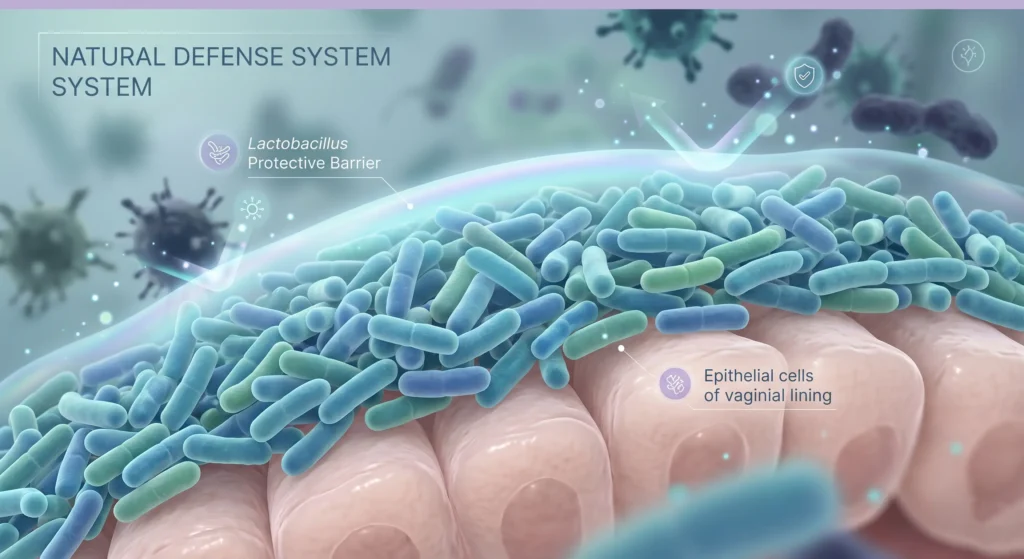
Your Body Already Has a Natural Defense System
The vaginal area naturally contains beneficial bacteria, especially Lactobacillus strains.
These good bacteria help:
- Maintain a healthy vaginal pH
- Prevent harmful bacteria from growing
- Protect against recurring imbalance
When this balance is healthy, the body usually manages itself well.
But certain things can disrupt it:
- Antibiotics
- Stress
- Hormonal changes
- Poor diet
- Excessive use of harsh intimate washes
- Lack of sleep
Once the good bacteria reduce, harmful bacteria get more room to grow. That’s when problems start becoming repetitive.
Why Over-Cleansing Can Sometimes Make Things Worse
This is something many women don’t realize.
Using strong washes or over-cleaning can sometimes disturb the natural pH balance even more.
The vaginal area is self-cleaning to a large extent. Constantly trying to “sanitize” it may strip away beneficial bacteria along with the harmful ones.
That’s why many women notice a cycle like this:
Discomfort → More hygiene products → Temporary relief → Problem returns again.
The issue isn’t that hygiene is bad. It’s that hygiene alone doesn’t address the internal bacterial imbalance.
So What Actually Helps?
The focus should shift from just “cleaning” to supporting the body’s natural microbiome.
This is where probiotics for women become important.
Certain probiotic strains, especially Lactobacillus-based strains, are known to support vaginal flora and maintain a healthy environment internally.
They help the body by:
- Supporting healthy vaginal bacteria
- Maintaining pH balance
- Reducing the chances of recurring imbalance
- Supporting both gut and intimate health together
The goal is not to overpower the body — but to help restore what’s already supposed to be there naturally.
The Gut and Vaginal Health Connection
Another thing that often gets overlooked is the connection between gut health and vaginal health.
The body’s microbiome works as a connected system. When gut bacteria are disturbed, it can affect other areas too — including intimate health.
This is why women dealing with digestive issues, frequent antibiotics, or high stress often notice recurring vaginal imbalance as well.
Supporting the microbiome overall can make a meaningful difference.
Why More Women Are Moving Toward Probiotic Support
There’s a growing shift in how women approach intimate wellness.
Instead of relying only on temporary fixes, many are looking for ways to support long-term balance from within.
That’s one reason why women’s probiotics have become increasingly popular for:
- Vaginal microbiome support
- pH balance
- Bacterial vaginosis support
- Daily intimate wellness
Not because they “clean” the body — but because they support the bacteria that naturally protect it.
When Should You Consider Additional Support?
You may benefit from probiotic support if:
- You experience recurring vaginal discomfort
- You’ve recently taken antibiotics
- You often deal with imbalance around periods
- You notice recurring odor or irritation
- You feel like hygiene products only help temporarily
At that point, the body may need more than surface-level care.
A Better Way to Think About Vaginal Health
Instead of asking:
“How do I clean better?”
It may help to ask:
“How do I support my body’s natural balance better?”
That shift changes everything.
Because long-term vaginal health is usually less about external cleansing — and more about maintaining the right internal environment.
FAQs
Q. If I maintain good hygiene, why do I still get recurring vaginal issues?
Because vaginal health is not only about cleanliness.
Many recurring issues are linked to imbalance in the vaginal microbiome — especially a reduction in beneficial bacteria. Hygiene helps externally, but it cannot restore internal bacterial balance on its own.
Q. Can overusing intimate washes affect vaginal health?
Yes, in some cases.
Harsh soaps or excessive washing may disturb the natural pH and reduce beneficial bacteria. This can sometimes make irritation or imbalance more frequent instead of preventing it.
Q. What role do probiotics play in vaginal health?
Probiotics help support healthy bacteria, especially Lactobacillus strains that maintain vaginal pH and help prevent harmful bacterial overgrowth.
They support the body’s natural defense system rather than masking symptoms temporarily.
Q. Are vaginal health issues always caused by poor hygiene?
No. Hormonal changes, antibiotics, stress, diet, and microbiome imbalance are all common contributors.
Many women with good hygiene habits still experience recurring vaginal imbalance.
Q. Can gut health affect intimate health?
Yes, the gut and vaginal microbiome are closely connected.
When gut bacteria are disrupted, it can affect overall microbial balance in the body, including vaginal health.
Q. When should someone consider a women’s probiotic?
It may help if you:
- Experience recurring imbalance
- Frequently take antibiotics
- Notice recurring irritation or odor
- Want to support long-term vaginal microbiome balance
Q. Is probiotic support meant for treatment or prevention?
Mostly prevention and balance support.
Probiotics help maintain a healthy bacterial environment, which may reduce the chances of recurring issues over time.