

Most people don’t recognize PCOS symptoms and treatment needs immediately.
Your cycle starts getting irregular.
You feel more tired than usual.
Your weight or skin changes, even when nothing else has.
At first, you ignore it. Then it keeps happening.
Eventually, you hear the term PCOS.
And honestly, that’s where the confusion starts.
Because PCOS isn’t just one problem. It shows up in different ways for different women. Some struggle with periods, some with weight, some with fertility. And for many, it’s all of it together.
Why PCOS Feels So Hard to Manage
The frustrating part about PCOS is that you can be doing everything right and still feel stuck.
Eating better.
Trying to stay active.
Cutting down sugar.
And yet, your body doesn’t always respond the way you expect.
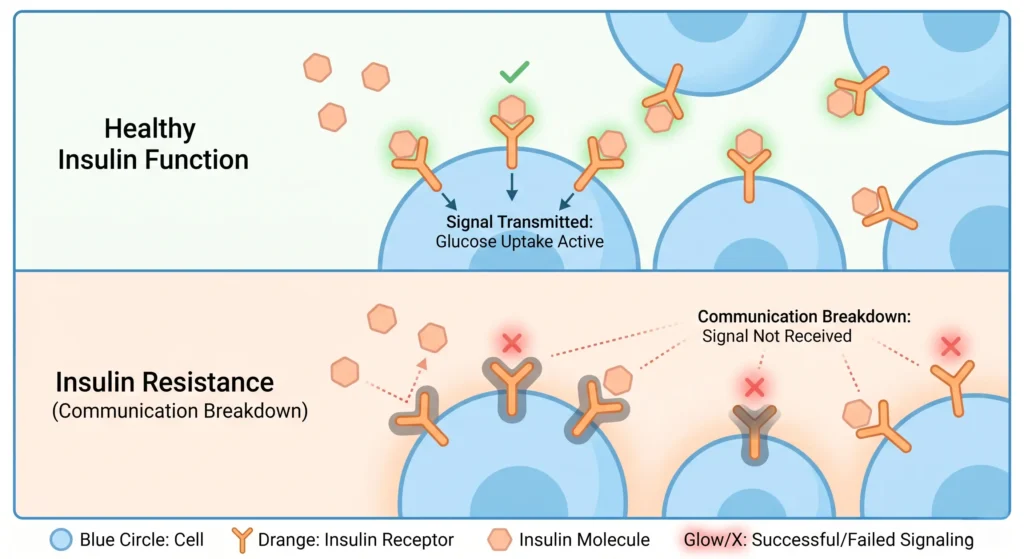
That’s because a big part of PCOS is internal — especially how your body handles insulin.
When insulin isn’t working properly, it affects your hormones. And when hormones are off, your cycle, ovulation, and even energy levels get affected.
So it’s not just about symptoms. It’s about what’s happening underneath.
What Actually Needs Support
If you look at it simply, your body needs help in a few key areas:
- Handling insulin better
- Bringing hormones back into balance
- Supporting regular ovulation
That’s it. But getting there takes time.
There’s no quick fix for PCOS, and that’s something most people don’t tell you upfront.
Where Certain Nutrients Come In
Instead of trying random things, some nutrients are known to actually support these exact areas.
Myo-inositol helps your body respond better to insulin and supports ovarian function.
D-chiro inositol works alongside it and helps with hormone signaling.
Chromium supports blood sugar balance, which is closely linked to PCOS.
Vitamin D3 is often low in women with PCOS and plays a role in hormone regulation.
None of these are magic. But together, they support the systems that are usually affected.
About Fertility — The Part No One Talks About Clearly
If you’re dealing with PCOS, fertility is often on your mind, even if you don’t say it out loud.
The issue isn’t always that you can’t conceive. It’s that ovulation isn’t consistent.
And when ovulation is unpredictable, everything else becomes uncertain.
What helps is not forcing the body, but creating conditions where ovulation can happen more regularly. That usually comes from better hormonal balance over time.
Why Lifestyle Alone Sometimes Doesn’t Work
You’ll hear a lot of advice around diet and exercise — and yes, they matter.
But with PCOS, sometimes they’re not enough on their own.
You can be consistent and still not see results because your body needs additional support internally.
That’s where targeted nutrition helps. Not instead of lifestyle — but alongside it.
When You Might Actually Need Support
You might relate to this if:
- Your periods are unpredictable
- You’ve been diagnosed with PCOS
- You’ve been trying to conceive without success
- You feel like your efforts aren’t giving results
At that point, it’s not about doing more. It’s about doing what actually works for your body.
A More Practical Way to Think About It
Instead of looking for something that “fixes” PCOS, it helps to think in terms of support.
If your body gets what it needs consistently, it starts responding differently over time.
That can look like:
- More regular cycles
- Better energy
- Improved ovulation patterns
It doesn’t happen overnight. But it does happen.
Frequently Asked Questions
Q. How long does it take to see results when managing PCOS with supplements?
Managing PCOS is not instant — it’s a gradual process.
Some women notice small changes like improved energy or reduced cravings within 3–4 weeks. More visible changes, such as regular menstrual cycles or improved ovulation patterns, may take 2–3 months of consistent use.
The key is consistency. Hormonal balance takes time, especially in conditions like PCOS, where multiple systems (insulin, hormones, metabolism) are involved.
Q. Can inositol really help with PCOS symptoms?
Yes, inositol is one of the most researched nutrients for PCOS.
Myo-inositol and D-chiro inositol work by improving insulin sensitivity, which is a core issue in many women with PCOS. When insulin levels improve, it helps regulate hormones, which can support:
- More regular menstrual cycles
- Improved ovulation
- Better hormonal balance
It’s not a quick fix, but it addresses one of the root causes of PCOS.
Q. Is this helpful if I’m trying to conceive with PCOS?
It can be supportive, especially if your fertility challenges are linked to irregular ovulation.
In PCOS, ovulation may not happen consistently. Nutrients like inositol help improve ovarian function and hormonal signaling, which may increase the chances of ovulation.
While it’s not a guaranteed fertility treatment, it can be a helpful part of a broader approach for women trying to conceive with PCOS.
Q. Can I take this daily for long-term use?
Yes, these nutrients are generally safe for daily use when taken as directed.
In fact, consistency is important for managing PCOS. Since hormonal imbalance and insulin resistance don’t correct overnight, regular intake helps maintain stability over time.
If you have existing medical conditions or are undergoing fertility treatments, it’s always best to consult your doctor.
Q. Do I still need to follow a diet and exercise routine?
Yes — supplements support your body, but lifestyle is the foundation.
For managing PCOS, combining supplementation with:
- A balanced, low-glycemic diet
- Regular physical activity
- Stress management
can significantly improve results. Think of supplements as support, not a replacement.
Q. Can this help with irregular periods?
It may help over time.
Irregular periods in PCOS are often linked to hormonal imbalance and insulin resistance. By supporting these underlying factors, nutrients like inositol may help regulate menstrual cycles gradually.
However, results vary depending on how severe the imbalance is.
Q. Is Vitamin D important for PCOS?
Yes, and it’s often overlooked.
Many women with PCOS have low Vitamin D levels, which can affect hormone regulation and metabolic health. Supporting adequate Vitamin D levels may help improve overall hormonal balance.
Q. Will this help with weight management in PCOS?
Indirectly, yes.
Weight gain in PCOS is often linked to insulin resistance. By improving how your body responds to insulin, nutrients like chromium and inositol may support better metabolic function.
However, for noticeable weight changes, diet and physical activity still play a major role